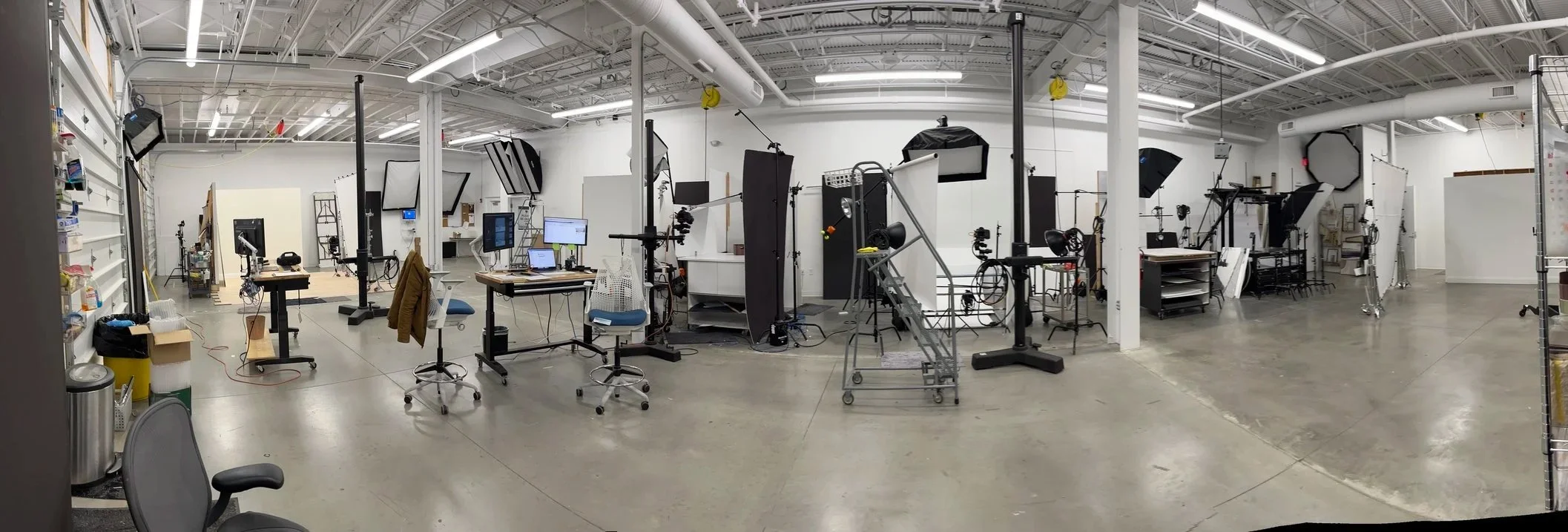
Scaling Product Content for 5,000+ SKUs
A high-volume production approach built to deliver consistent, multi-channel content across thousands of products.
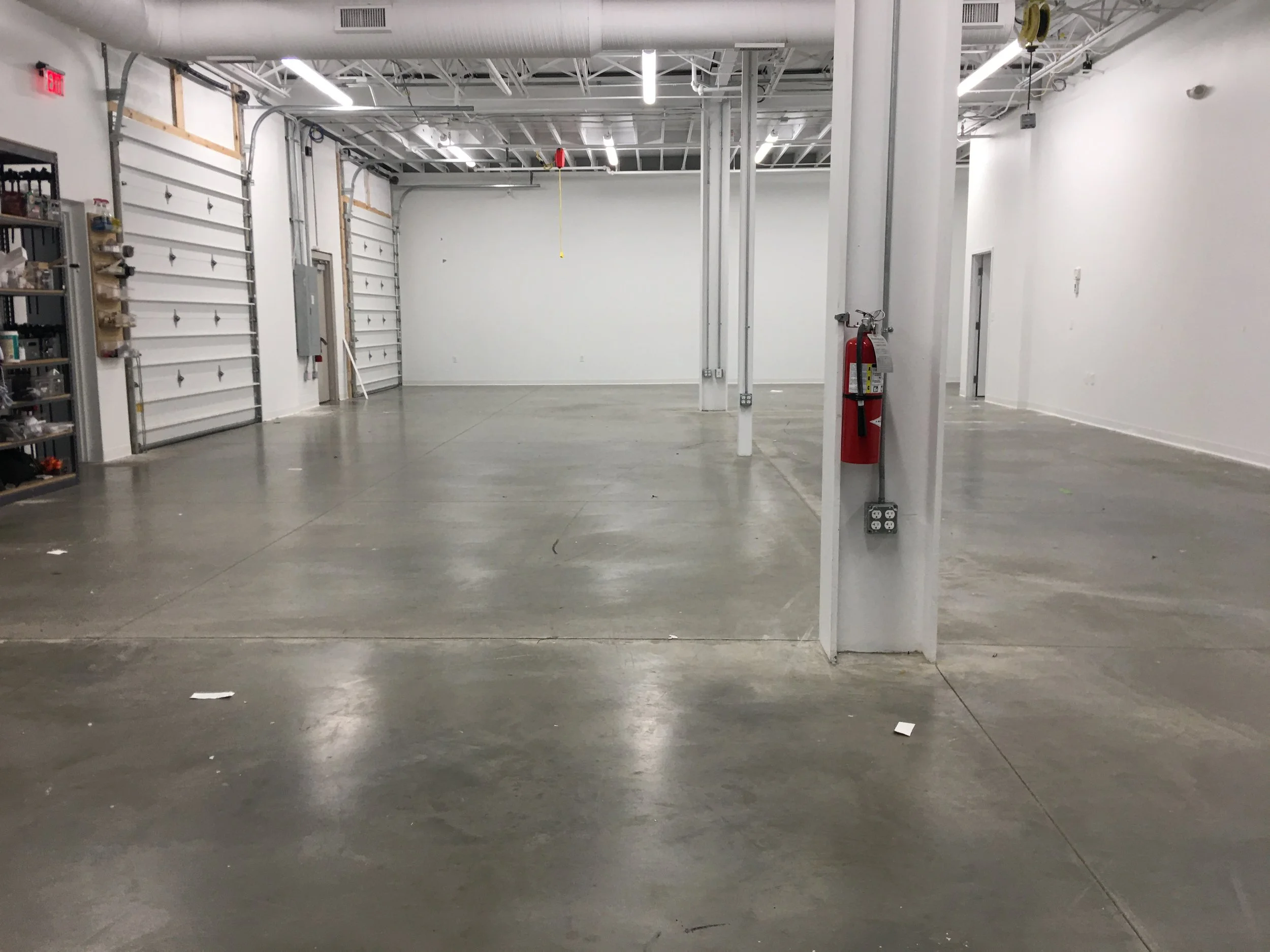
The Challenge
mDesign, a fast-growing home organization brand
selling across Amazon, Walmart, Target, and direct-to-consumer channels.
As the catalog expanded, the demand for content increased rapidly:
Thousands of SKUs across multiple categories
Need for consistent imagery across all platforms
Ongoing product launches and re-shoots
High volume without slowing production
Traditional, one-off photoshoots couldn’t keep up with the pace or scale required.
The Approach
We didn’t just increase output, we restructured production to handle scale without slowing down.
Structured Output Per SKU
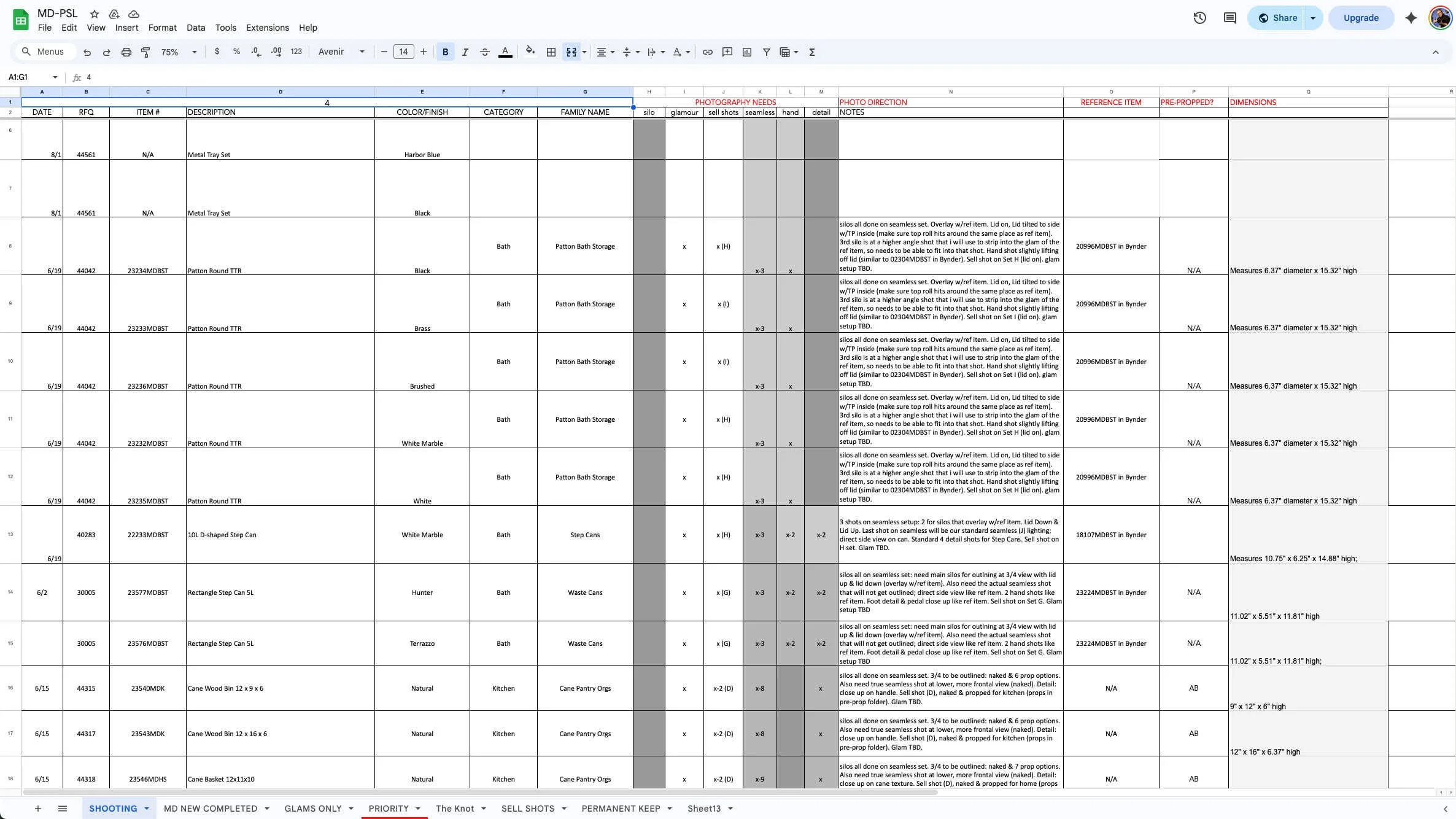
Each product followed a defined shot list:
Silo (cutout-ready images)
Sell/lifestyle images
Detail shots
Seamless variations
Most products required 10–20 images per SKU, ensuring consistency across every listing.
Modular Set System
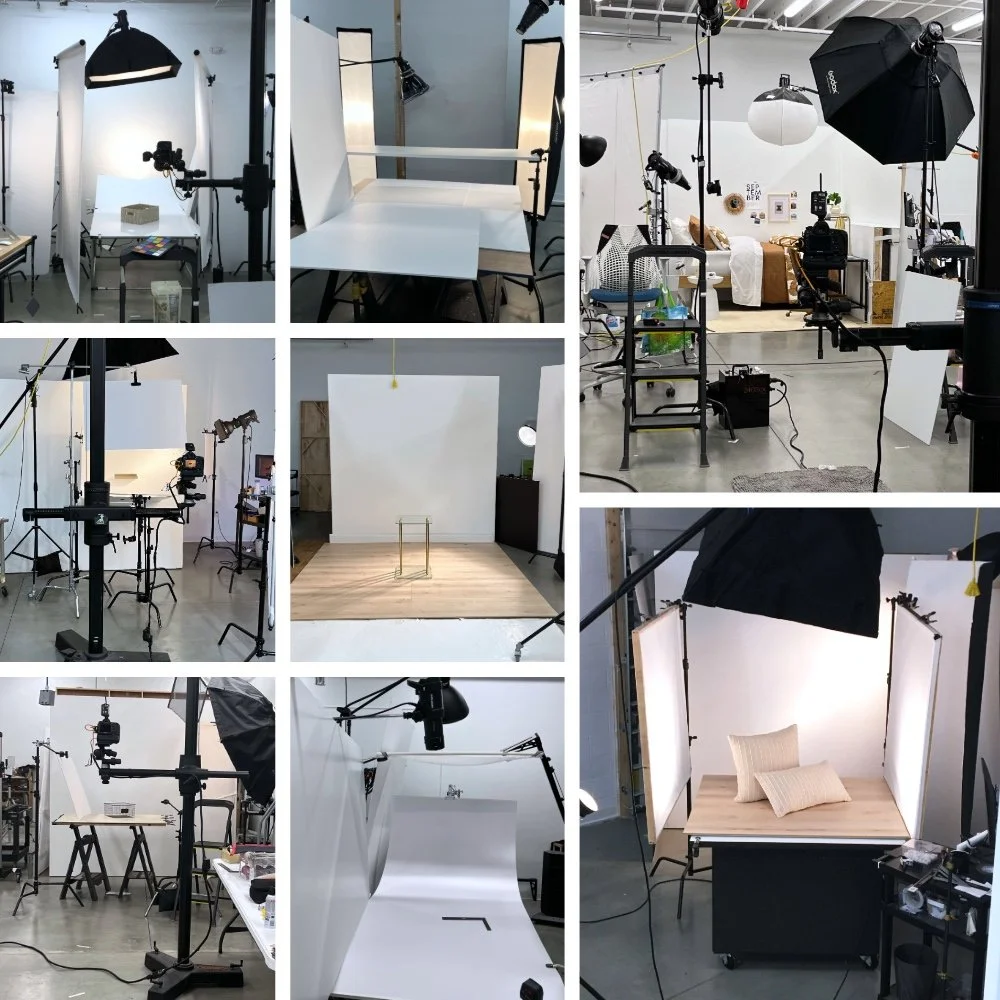
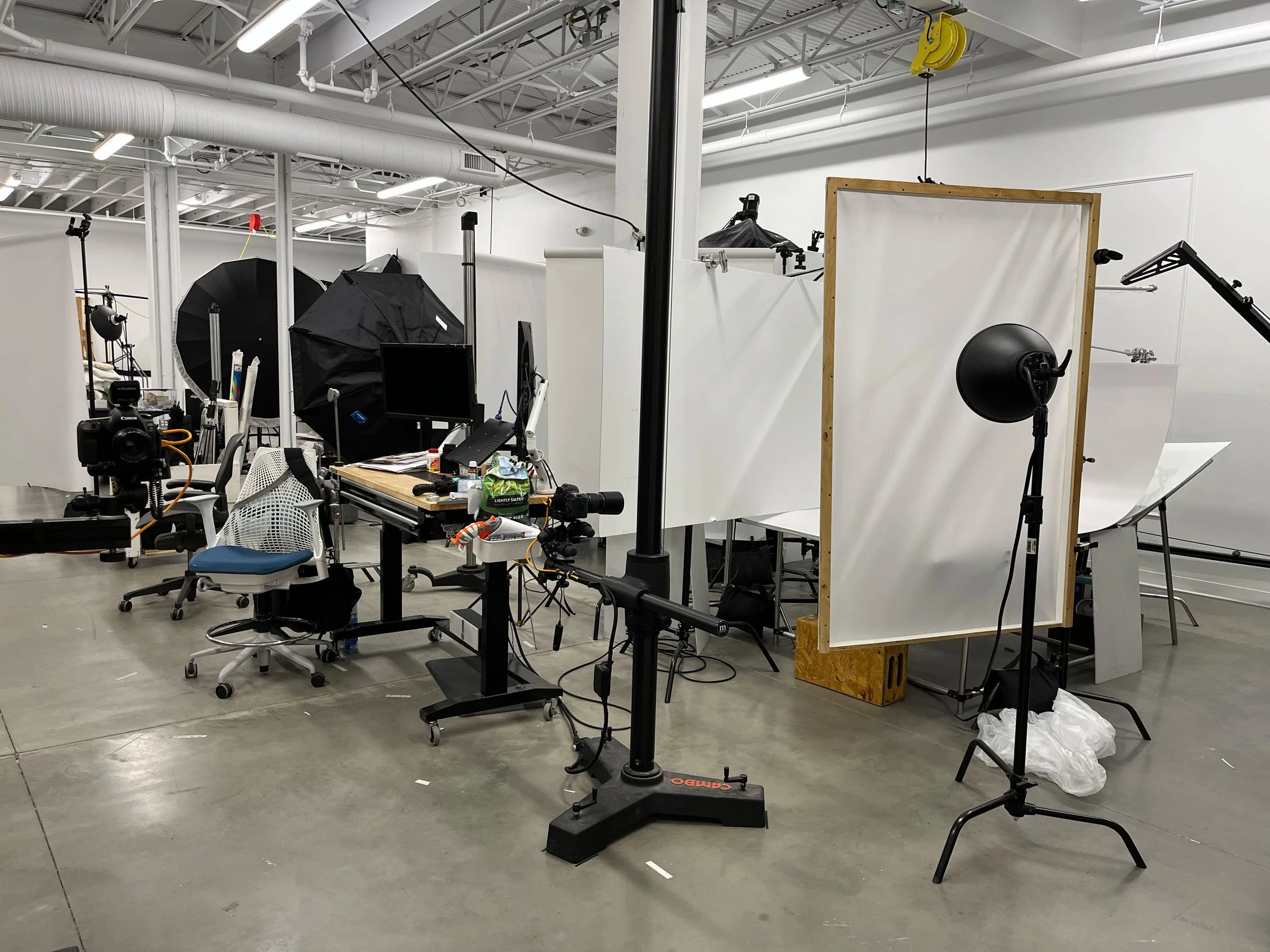
We designed and built multiple permanent sets that stayed active in the studio:
Tabletop sets for smaller products
Floor sets for larger items
Interchangeable surfaces for variation
This allowed products to move through production quickly without resetting the studio between shoots.
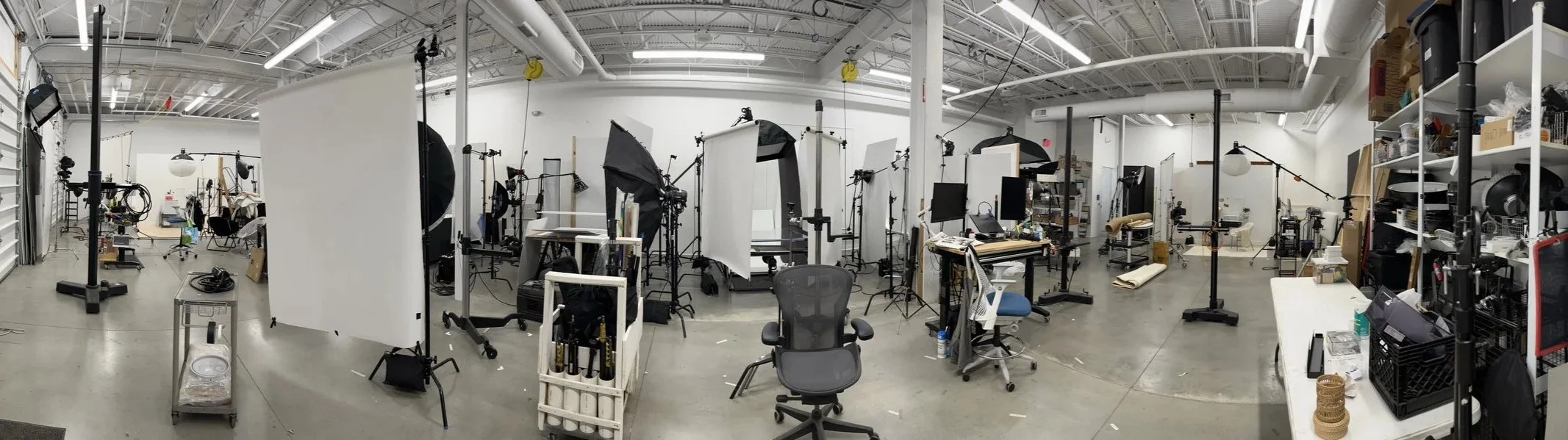
Multi-Set Production Capability
We ran multiple production environments simultaneously:
5 sell shot sets running in parallel
2 lifestyle (glam) environments
1 dedicated silo / outline set
This allowed continuous throughput across product types while maintaining consistency across the entire catalog.
Camera & Lighting Standardization
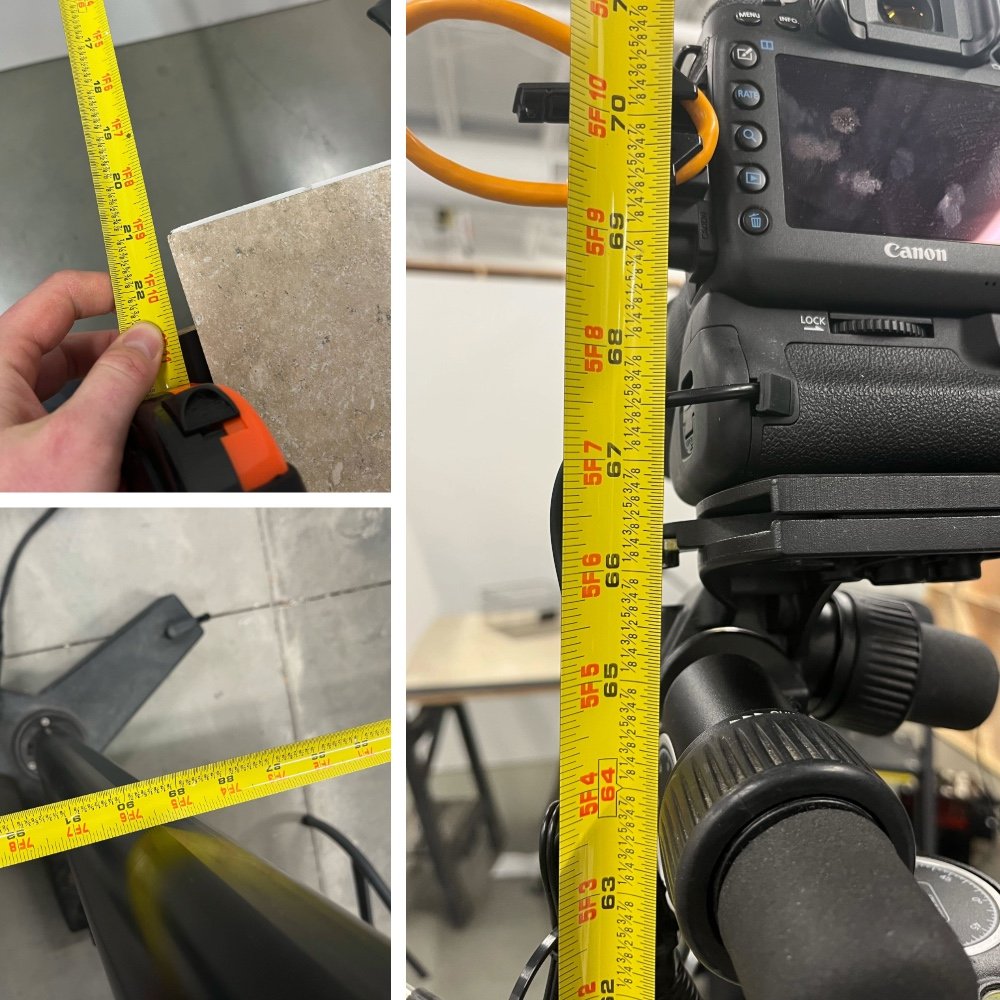
We built a modular production system designed for consistency, speed, and scale. Every set, camera position, and lighting configuration was standardized and documented.
We documented:
Camera height
Shooting angles
Lens choices
This made it possible to:
maintain consistency across thousands of products
re-shoot products months later with near-identical results
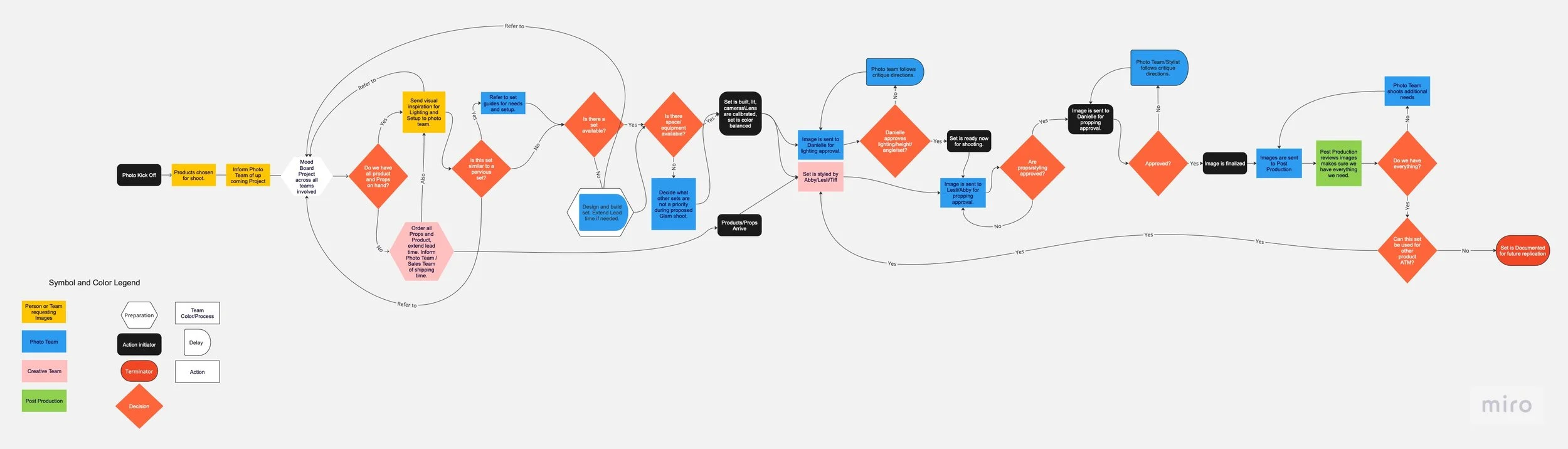
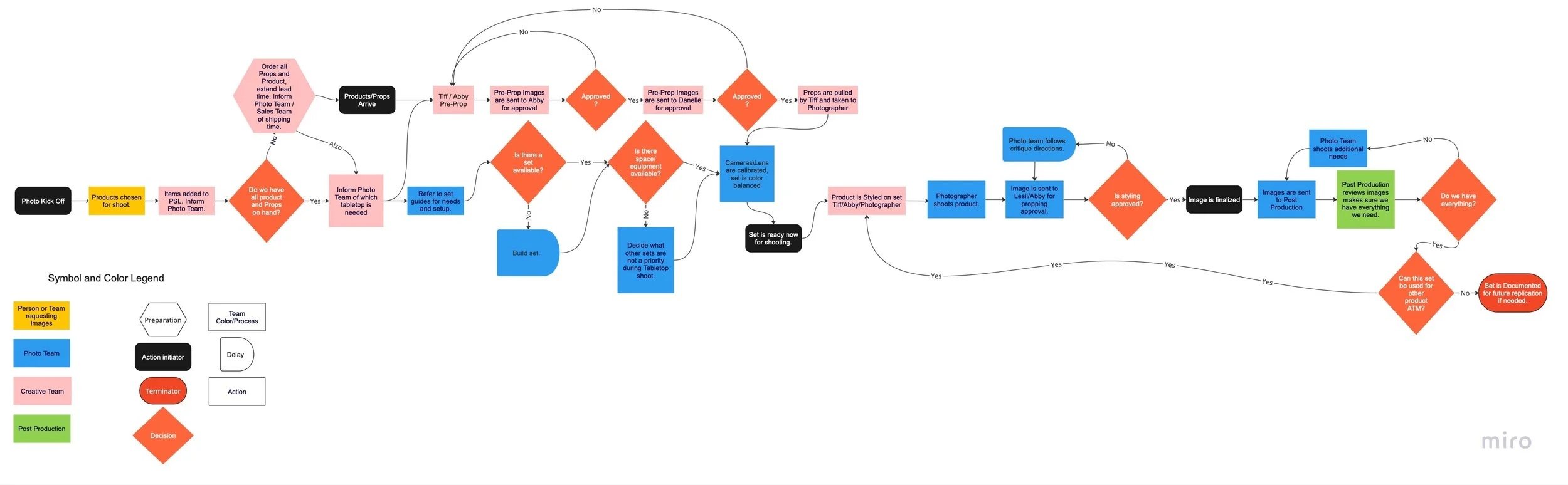
Production Workflow System
Every product moved through a defined workflow from product intake to final delivery, ensuring consistency across teams and production days.
End-to-end workflow designed for speed and consistency
Multiple teams working in parallel within a shared process
Defined checkpoints to ensure every image met standards
Reduced bottlenecks through structured production
Scalable workflow supporting thousands of SKUs
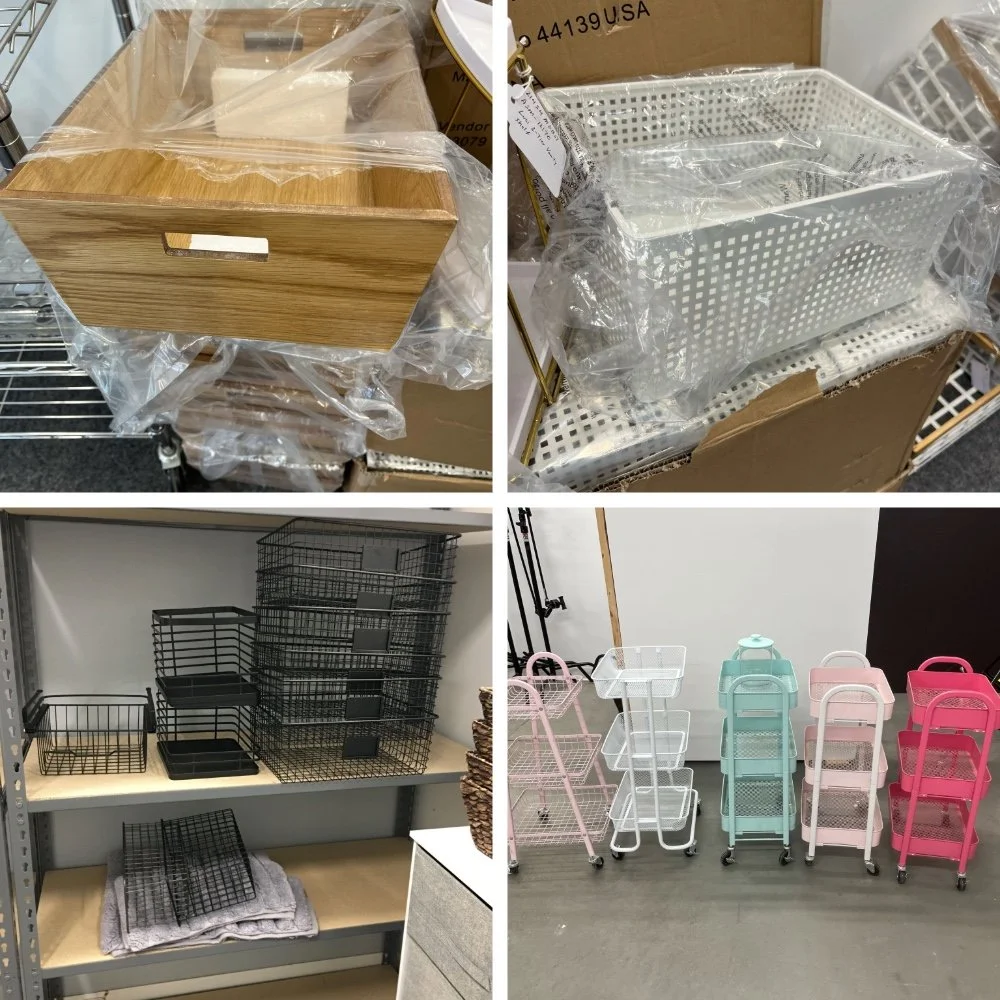
Batch Production Workflow
Products were grouped strategically to reduce setup time and maximize efficiency across the production process. By organizing shoots around shared requirements, we were able to maintain consistent output while increasing daily throughput.
Products were grouped by:
Products grouped by category and type
Shared props and environments across shoots
Set usage optimized for continuous production
Fewer interruptions between setups
Higher daily output with consistent results
This reduced setup time and significantly increased daily throughput.
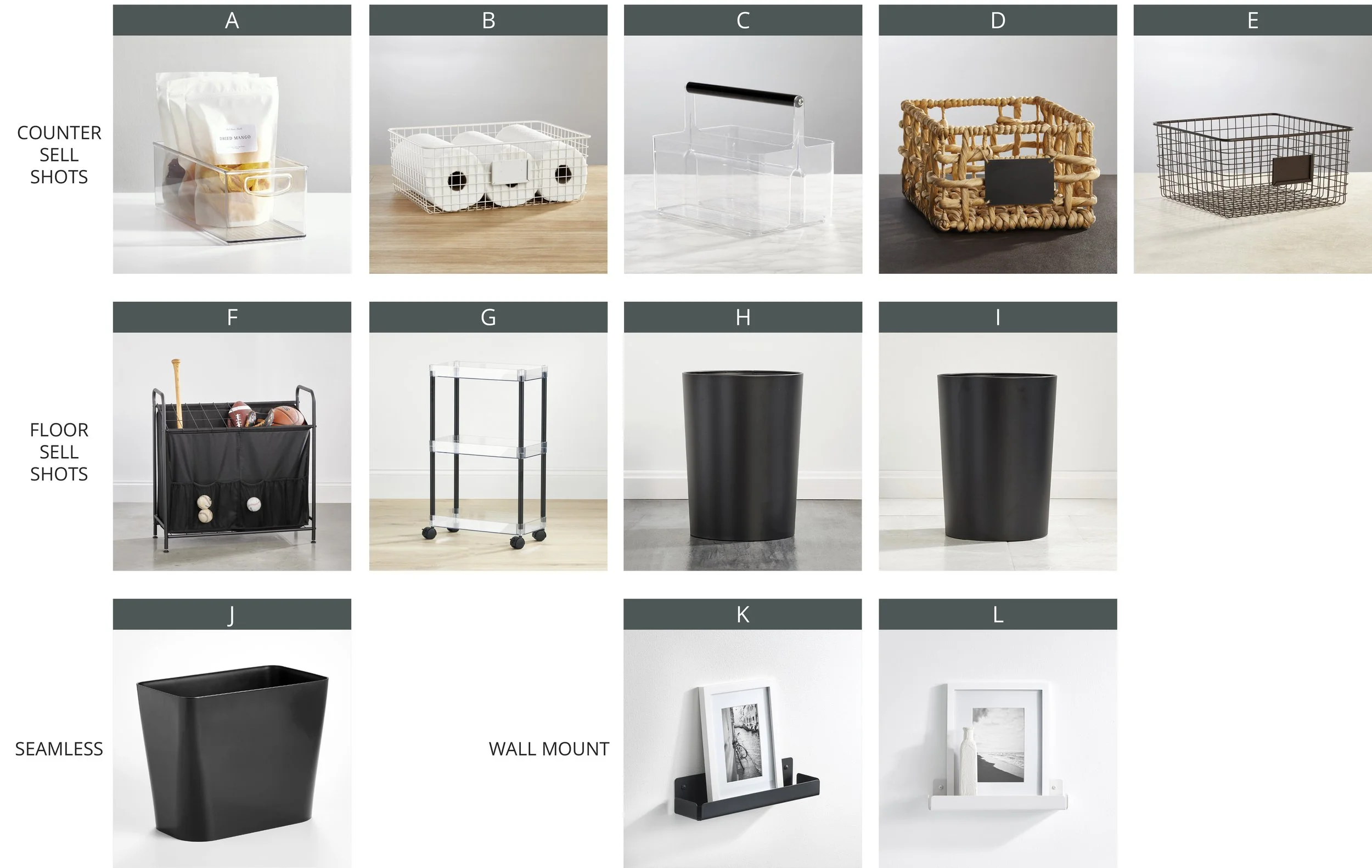
Standardized Shot System
A consistent shot structure ensured every product was captured with the same level of quality and precision, regardless of when it was photographed.
Standardized shot lists
Consistent framing and angles
Multi-channel ready outputs
Reduced variability
Built for scale
The Scale
This production handled:
5,000+ SKUs
25,000–35,000 images produced
75,000–150,000+ final assets generated
Supporting:
new product launches
full catalog refreshes
multi-channel content needs
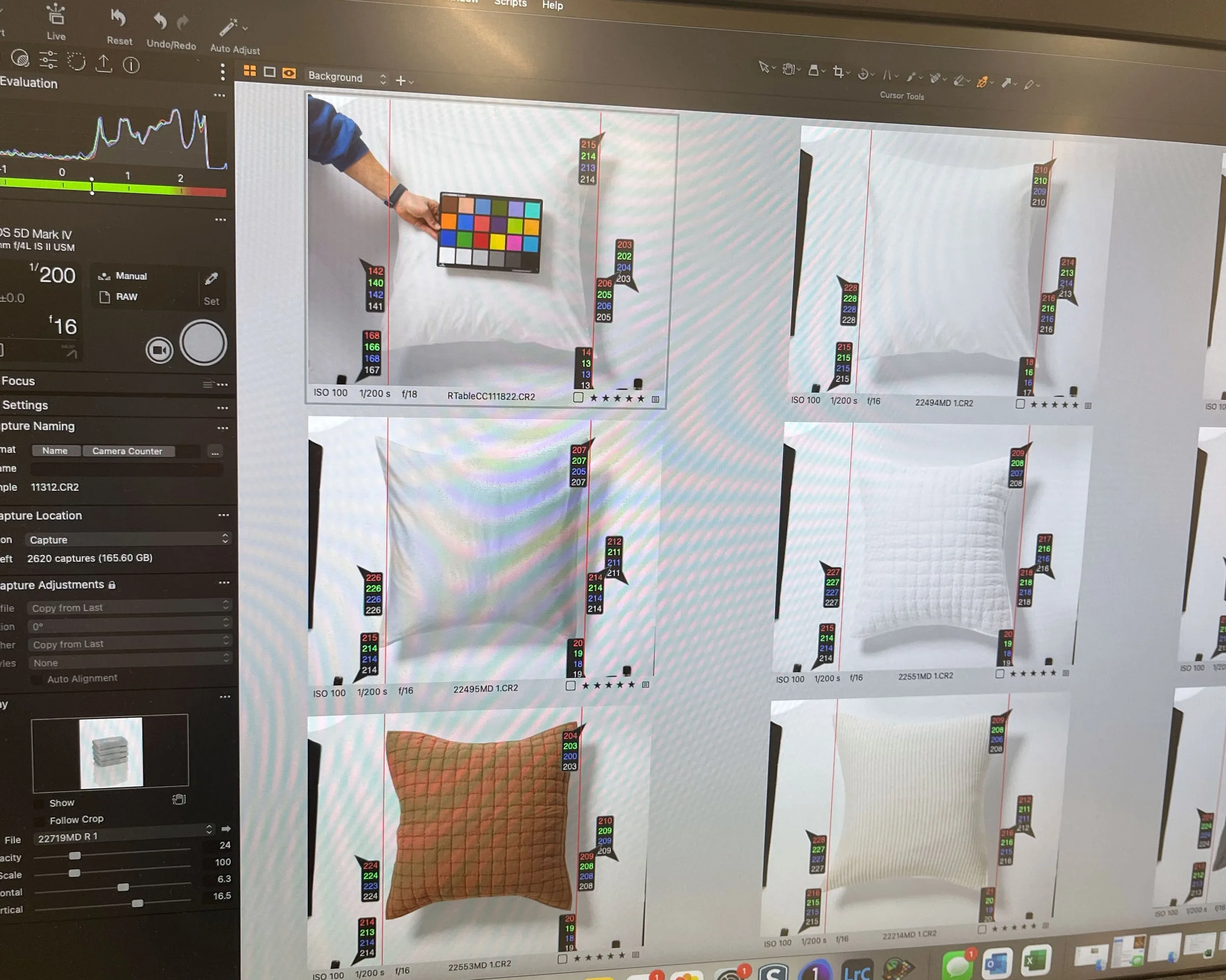
The Outcome
The result wasn’t just more images. It was:
Consistent visual identity across thousands of products
Faster production timelines
A repeatable system that scaled with the business
The Takeaway
Most product photography workflows break under scale.
This one didn’t, because it wasn’t built like a photoshoot.
It was built like a system.
Built to Handle What Most Studios Can’t
From growing product catalogs to ongoing production demands, we support brands that need consistent, high-volume content without the usual friction.